For established businesses whose revenue runs through a digital platform. We modernize the system without losing the business logic, workflows and knowledge that already work.
Travel and booking, marketplaces and auctions, logistics and equipment, media and memberships, ticketing and commerce-enabled services. Businesses with real operating history: customers, accumulated knowledge and people who know the company deeply — sometimes an engineering team of their own.
“The platform was built as a set-it-and-forget-it system — and now we're stuck with it.”
“Partners keep asking for things we have to say no to — and we never want to say we can't.”
“Every new capability needs another workaround, and every workaround creates the next limitation.”
“Customers spend serious money with us — but the platform doesn't look like it anymore.”
“A facelift won't fix it. The way the whole thing works has to change.”
“If we're going to do this, we should do it right and future-proof it — not put a band-aid on it.”
“We have our own developers, but this project needs outside product and UX expertise.”
“This started as someone's side project — and it's become too important for that.”
Making the platform look better doesn't solve the real problems — inside the company or for its customers. The result of a modernization project is a system your team can actually build, run and keep changing. The key test: engineering should not have to guess how critical parts of the redesigned system work.
Equal defines and designs the solution, prepares developer-ready materials, works alongside your engineers, answers questions and reviews the build.
Where it fits the project and the agreed scope, Equal can provide additional implementation capability on top of the design work.
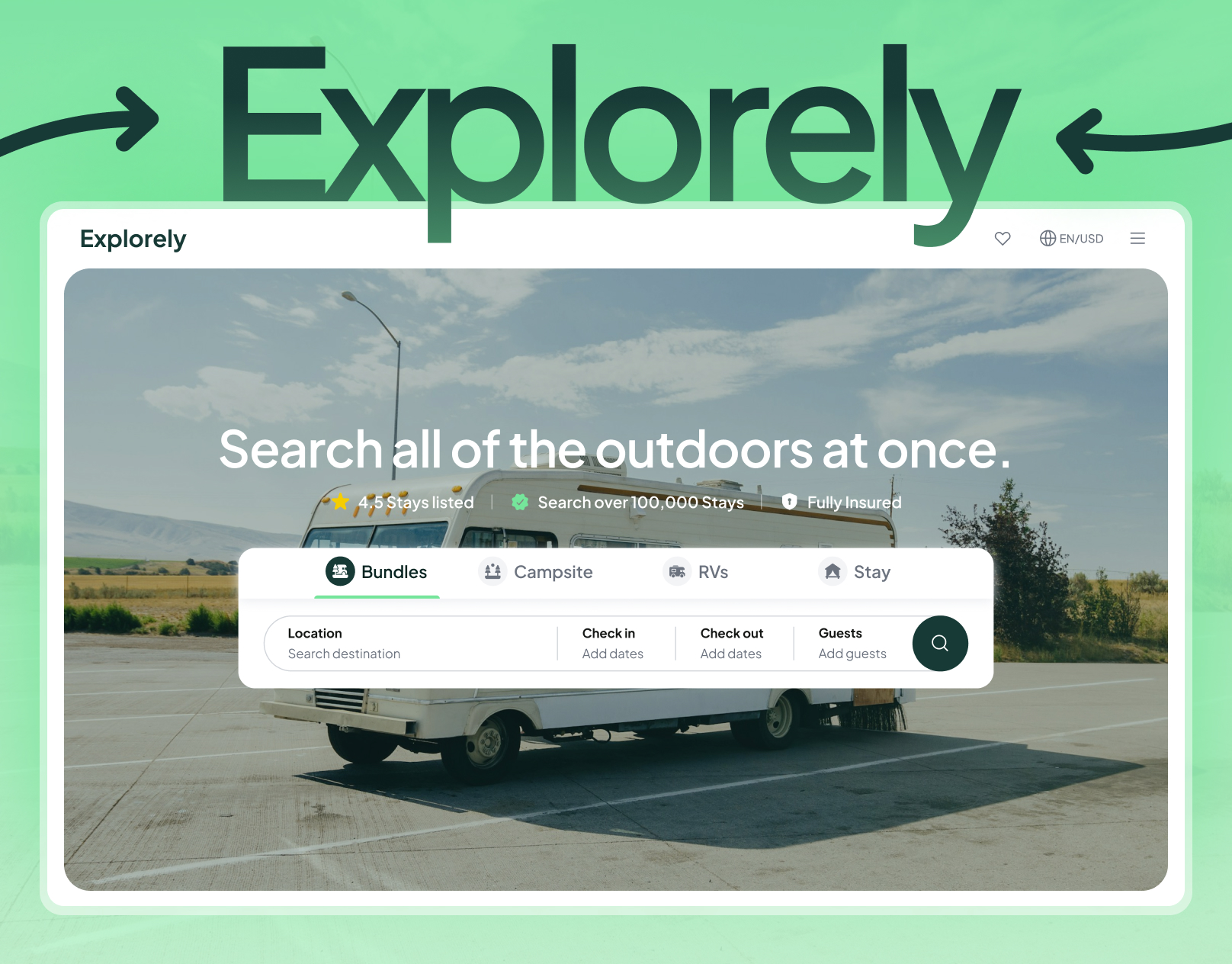
Modernization of a complex booking platform, in delivery with the client's own engineering team.
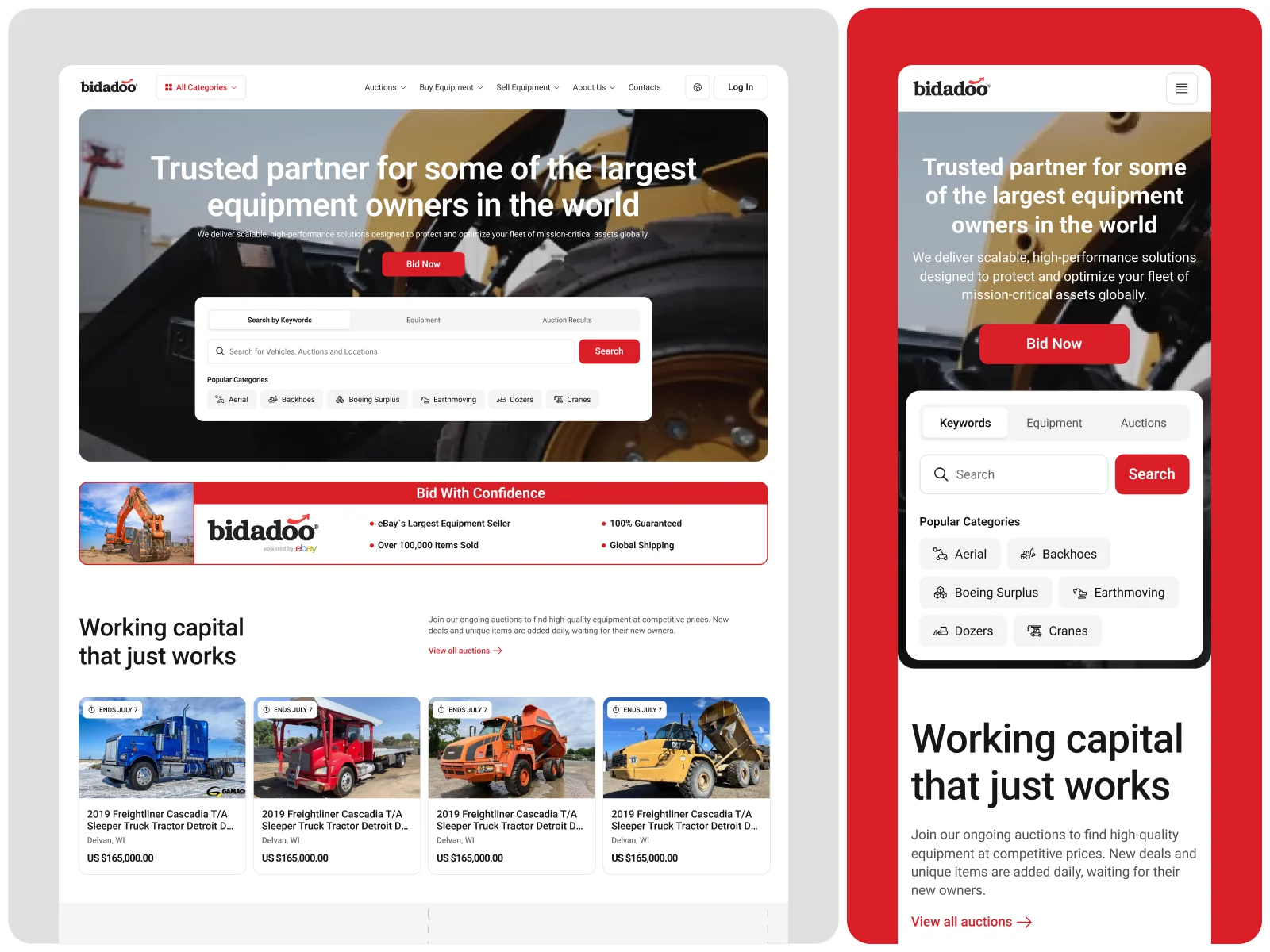
Modernizing an equipment marketplace with accumulated UX and technical constraints.
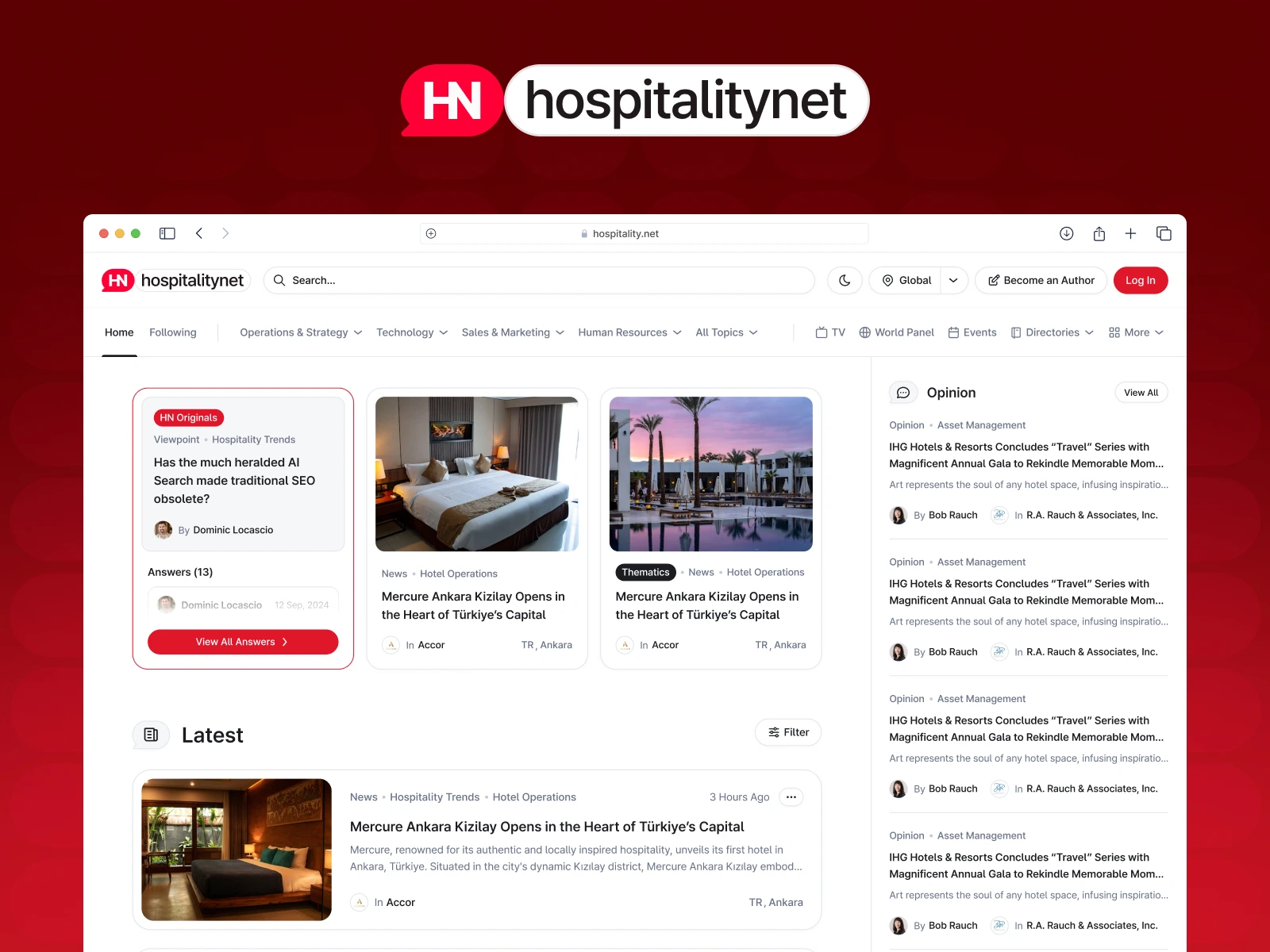
From a publication site toward a connected industry platform.
A modernization is normally a phased project of about 3–6 months — not permanent roadmap capacity.
If key decisions are still unclear, we start with a deeper Clarity phase.
If the main problem is how the product looks, that's a redesign. If the business keeps adapting itself to what the system can support — workarounds, manual steps, requests you can't serve — that's a system constraint problem.
The first phase of the project answers this question explicitly before major design work starts.
No. The point of the Separate phase is to protect what works: business rules, valuable workflows and accumulated knowledge stay.
We remove the constraints that only exist because of the old system — not the logic the business runs on.
Yes, that's the default model. Equal defines and designs the solution and prepares developer-ready materials; your engineers build it with our support and review.
Where it fits the scope, we can also add implementation capability of our own.
Then the Understand phase stays short and focused: we verify the critical constraints, close the open decisions and move to design quickly.
You won't pay for discovery you don't need.
That's a normal starting point. We begin with a deeper Clarity phase: business goal, current workflows, constraints and options — and agree the direction before designing.
The output is a decision you can stand behind, not a guess.
No. The visible interface is only one layer. The work covers information architecture, roles and permissions, product rules, states and edge cases — the operating model of the platform.
New screens without new logic would reproduce the old constraints with a fresh coat of paint.
It gets documented, separated from legacy limitations and carried into the redesigned system deliberately.
Losing that logic is the biggest risk of any rebuild — protecting it is a core goal of the project.
Yes. We answer engineering questions, adapt the design to technical constraints, review the implementation and do design QA.
The project ends when the new system works, not when the files are handed over.
Typically 3–6 months as a phased project. The range depends on how defined the task already is, the size of the platform, the number of key scenarios and the development model.
If the direction is already clear, the first phase stays short — you don't pay for discovery you don't need.
As a fixed-price or phased project, agreed once the scope is defined. When key decisions are still open, Clarity runs as a separately scoped first phase.
If your team builds it, we price design through implementation support. If Equal builds it, the full design-and-development scope is priced separately.
Yes. The same model covers legacy web applications, customer portals, ERP-style internal systems and member or partner platforms — anywhere accumulated business logic lives inside an ageing system.
The work is design-led: we modernize how the product works, and development happens with your team or ours.
If you have a steady, permanent stream of product-design work — maybe. But a modernization is a defined project: it needs senior product and UX expertise intensively for a few months, not a new permanent role kept busy afterwards.
Most of our modernization clients keep their own engineering team and bring us in for exactly that window — then continue with iterations as needed.
We use AI, agents and automation to accelerate research, synthesis, exploration, prototyping and production where it genuinely helps.
Tools may change; Equal remains responsible for product logic, judgment, system fit and final quality.