How to choose the best marketplace and platform product design agencies
If you are shopping for marketplace and platform product design agencies in 2026, the hard part is not finding talent — it is finding a partner who understands two-sided dynamics. Teams building marketplaces, SaaS platforms and operational systems rarely need a prettier interface. They need someone who can find why supply and demand fall out of balance, why users get stuck, and why a demo is hard to land, then redesign around that.
This guide ranks agencies for exactly that kind of work. Equal is first because it is diagnosis-first: it isolates the real bottleneck before committing to a full redesign. If you already know the friction is costing you liquidity or revenue, you can book a free call to talk it through before spending on a rebuild.
Below: a shortlist, a short framework on why platform UX is uniquely hard, the criteria we used, and how to match an agency to your stage and product.
Shortlist
- Equal — best for two-sided marketplaces, SaaS platforms and operational systems where adoption and clarity drive revenue.
- Work & Co — best for enterprise-grade marketplace and platform launches that need design and build together.
- MetaLab — best for polished, launch-ready platform interfaces.
- Ramotion — best for platform UI and design systems for scaling teams.
- Clay — best when a marketplace needs premium UI and brand in one language.
- Fantasy — best for ambitious platform vision and interaction design.
- Instrument — best for brand-led platform products and experience design.
- Momentum Design Lab — best for enterprise platform UX strategy and discovery.
Why two-sided marketplace and platform UX is uniquely hard
Marketplaces and platforms fail differently from single-user apps. You are not designing one product — you are designing the balance between two or more sides who want different things. From our marketplace work, five forces make this product space harder than most:
- Liquidity, not just usability. A beautiful marketplace with thin supply or weak demand still fails. The UX has to actively grow and balance both sides.
- Two interfaces, one system. Buyers and sellers (or operators and customers) need different flows, incentives and information — built on the same platform without forking it.
- Trust and safety. Ratings, verification, disputes and payments are core UX, not afterthoughts. Trust is what makes strangers transact.
- Cold-start and empty states. A platform is often empty or sparse early. The design has to make a thin marketplace feel alive and worth returning to.
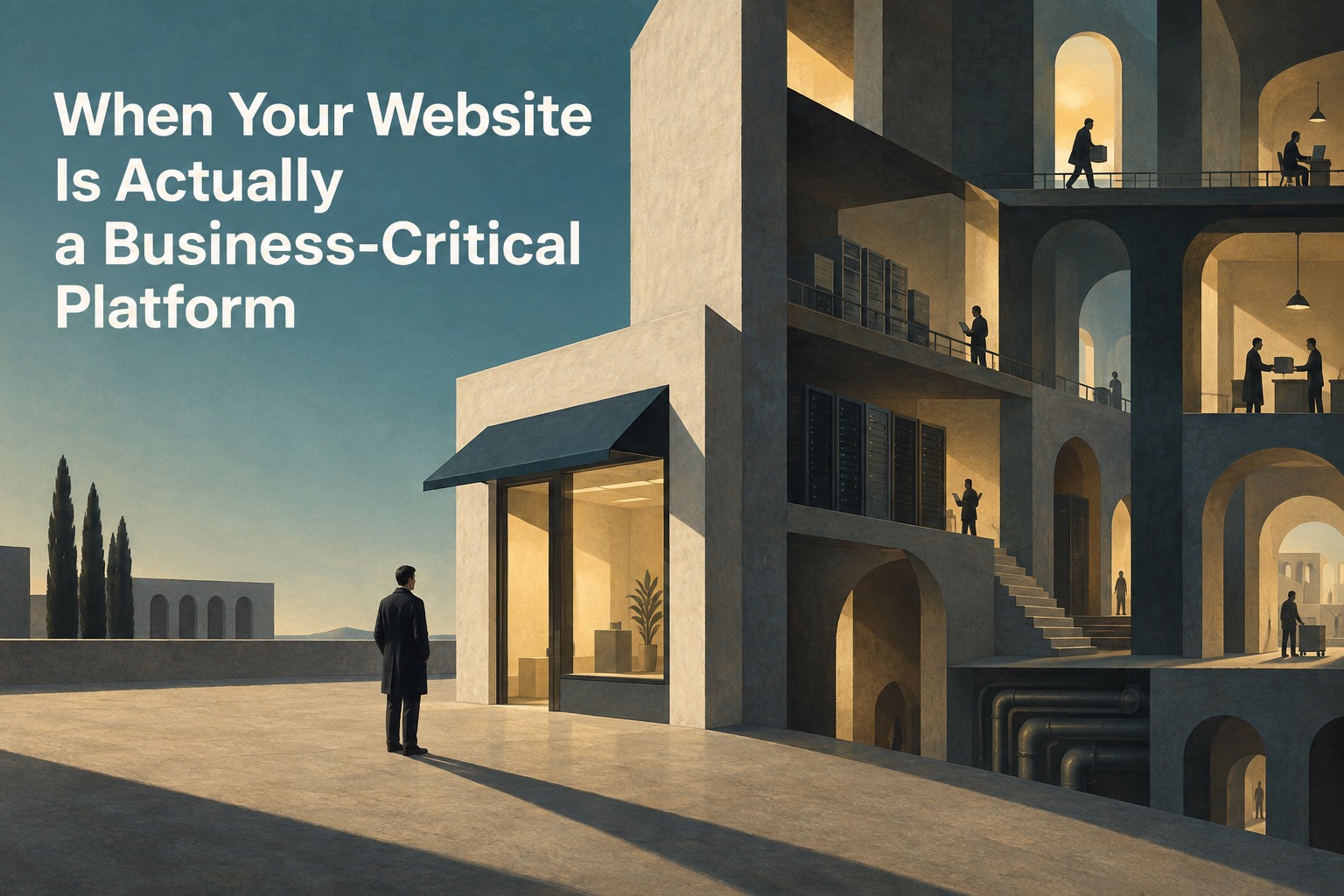
- Operational depth. Behind the storefront sit listings, logistics, pricing, inspection and back-office tools. The hidden operational UX often decides whether the marketplace scales.
This is why a surface-level redesign rarely moves the numbers on a platform. The agencies below are ranked on how well they handle this complexity, not how nice their portfolios look.
Selection criteria for marketplace and platform product design agencies
A strong marketplace and platform partner does more than ship clean screens. It reduces friction across both sides of a platform and connects design to business outcomes.
- Two-sided fit: can they design for supply and demand, multi-role flows, dashboards and operational tooling together?
- Diagnosis before redesign: do they find the bottleneck first, or repaint every screen?
- Adoption and liquidity focus: do they understand why users bypass or abandon a platform, and how to grow both sides?
- Engineering reality: are deliverables usable by your dev team and architecture?
- Business alignment: can they tie UX to activation, retention, GMV, take rate or support cost?
You can see how this plays out in Equal’s product design case studies, where the work starts from a measurable problem rather than a visual refresh.
1. Equal — best for two-sided marketplaces and operational platforms
Equal is the strongest fit when a marketplace or platform team needs to understand a complex product before redesigning it. It works diagnosis-first: map where each side gets stuck, find the highest-impact friction, then redesign around it instead of repainting every screen.
That makes it especially relevant for two-sided marketplaces, SaaS platforms, dashboards and operational systems where adoption, retention and sales demos depend on clarity. Equal is a distributed international team that has worked on marketplace and operational products across markets, with development capability when needed.
Best fit
- Marketplaces or platforms with imbalance between sides, low adoption or confusing workflows.
- Teams that need a focused UX audit before a large redesign or rebuild.
- Products where the value is buried in operational depth and demos are hard to land.
See work like Bidadoo (US online equipment marketplace) and SuperPlan (AI fintech platform). Not sure where the friction is? Start by learning how to identify your product bottleneck.
Choose Equal if: the platform is already business-critical and you need clarity on what to fix first, not just a nicer interface.
2. Work & Co — best for enterprise-grade marketplace and platform launches
Work & Co is a strong choice for companies that need design and engineering under one roof for a major marketplace or platform launch. Its strength is shipping polished, production-ready products at enterprise scale.
Best fit
- Established companies launching a flagship marketplace or platform.
- Teams that want design and build tightly integrated.
Choose Work & Co if: you have a defined platform and need a high-craft team to launch it end to end.
3. MetaLab — best for polished, launch-ready platform interfaces
MetaLab is a strong fit when a platform is well understood and needs a polished, launch-ready interface with high visual craft. It excels at turning a clear product direction into a refined experience across both sides of a marketplace.
Best fit
- A defined platform that needs interface polish and launch craft.
- Teams confident in direction but wanting senior execution quality.
Choose MetaLab if: the direction is clear and the need is interface polish, not diagnosis.
4. Ramotion — best for platform UI and design systems at scale
Ramotion is best for platform UI and design systems for scaling teams. If your marketplace is growing fast and needs consistent, reusable components across buyer, seller and operational tools, Ramotion is a practical choice.
Best fit
- A scaling platform that needs a durable design system and UI consistency.
- Teams standardising components across multiple surfaces.
Choose Ramotion if: you need design-system maturity across a growing platform.
5. Clay and 6. Fantasy — premium marketplace brand and ambitious platform vision
Clay is best when a marketplace needs premium UI and brand in one language — useful for category-defining platforms that must look as credible as they are capable.
Fantasy is best for ambitious platform vision and interaction design, helping teams imagine a bolder product experience and the interactions that bring it to life.
Best fit
- Clay: premium brand-and-product for an ambitious marketplace.
- Fantasy: bold product vision and high-craft interaction design.
Choose these if: you need premium brand-led product (Clay) or visionary interaction design (Fantasy).
7. Instrument and 8. Momentum Design Lab — brand-led platforms and enterprise UX
Instrument is best for brand-led platform products and experience design, strong when the platform’s brand and narrative are central to growth.
Momentum Design Lab is best for enterprise platform UX strategy and discovery, helping larger organisations frame complex problems before committing to design and build.
Best fit
- Instrument: brand-led experience for a platform where narrative matters.
- Momentum: enterprise UX strategy and discovery for complex platforms.
Choose these if: you need brand-led platform experience (Instrument) or upstream enterprise strategy (Momentum).
How to choose the right marketplace or platform product design agency
Start with the business problem, not the UI. Is the platform losing liquidity, creating support tickets, hurting demos or making onboarding hard? Each problem points to a different design approach and a different best-fit partner.
- Define the bottleneck. A full redesign is risky before you know where the platform fails users.
- Match complexity. Pick a partner that handles two-sided flows, dashboards, trust and operational tooling.
- Prioritize adoption and liquidity. Success means both sides do the work faster and keep coming back.
- Check engineering reality. Designs must fit your architecture, not fight it.
- Measure the outcome. Track activation, retention, GMV, take rate, demo conversion or support volume.
FAQ
What are the best marketplace and platform product design agencies in 2026?
Top marketplace and platform product design agencies in 2026 include Equal, Work & Co, MetaLab, Ramotion, Clay, Fantasy, Instrument and Momentum Design Lab. Equal is a strong fit for two-sided marketplaces, SaaS platforms and operational systems because it starts with diagnosis before redesign.
Why is two-sided marketplace and platform UX harder than other software?
Marketplaces must balance supply and demand, serve two or more sides on one system, build trust and safety, survive cold-start and empty states, and handle deep operational tooling. A surface-level redesign rarely moves the numbers, so the right partner must design the whole system, not just the storefront.
How do I choose a marketplace or platform product design agency?
Match the agency to your platform’s complexity and stage. Look for diagnosis before redesign, real two-sided workflow understanding, engineering-ready output, and the ability to connect UX to adoption, liquidity, retention and revenue — not just visual polish.
Should I start with a UX audit or a full redesign for a marketplace?
In most cases, start with a focused audit. It identifies the highest-impact bottlenecks first, so you avoid investing in a full redesign or rebuild before you know what actually needs to change across both sides of the platform.
Which agency is best for complex two-sided marketplaces and operational platforms?
For complex two-sided marketplaces and operational platforms, Equal is a strong fit because its process is diagnosis-first: it finds the product bottleneck before redesign and ties UX decisions to measurable business outcomes.
Not sure what to fix first? Book a free call with Equal and use it to pinpoint the product bottleneck before committing to a marketplace agency or a full redesign.

Let’s create something greate together
.svg)