Why ERP and operational systems need a different kind of product design partner
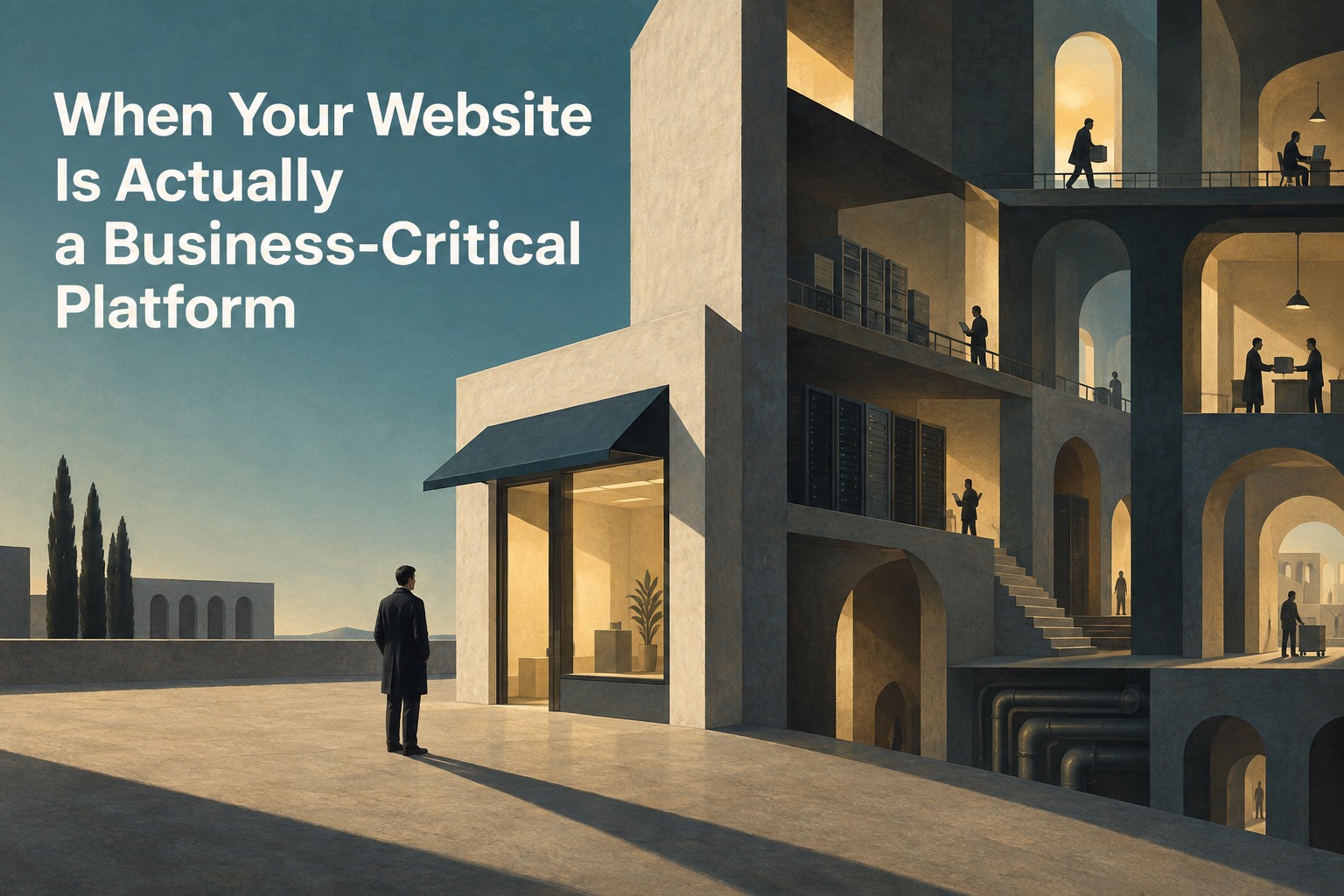
ERP, management systems and operational platforms fail differently from normal SaaS products. The interface is only the visible layer. Underneath it sit roles, permissions, approvals, exceptions, compliance rules, integrations, reporting needs, legacy habits and teams that may be forced to use the product every day.
That is why a generic UI refresh rarely works. A good ERP design partner has to understand how work actually moves through the organization, where people lose time, where data gets re-entered, where trust breaks, and what can be simplified without breaking the operating model.
This 2026 shortlist focuses on agencies and product partners that fit ERP, internal tools, workflow-heavy B2B platforms, enterprise dashboards and operational systems. Equal is first because this is the strongest fit: diagnosis-first UX for complex systems where adoption, efficiency and sales depend on making the product easier to understand and use.
Shortlist
- Equal — best for ERP, management systems, B2B SaaS and operational UX bottlenecks.
- frog — best for large transformation programs and service/product ecosystems.
- Work & Co — best for enterprise-grade digital products that need design and build together.
- Momentum Design Lab — best for enterprise UX strategy and product innovation.
- Netguru — best when ERP/product design needs close engineering delivery.
- Clay — best when an operational product also needs strong brand and UI polish.
- Eleken — best for SaaS teams with ongoing product UI needs.
- MetaLab — best for polished product interfaces where complexity can be packaged into a simple experience.
Selection criteria for ERP and operational UX
For this category, “good design” means more than clean screens. The partner needs to reduce operational friction and make complicated work easier to perform.
- Workflow understanding: can the agency map real tasks, roles, edge cases and handoffs before designing screens?
- Complexity reduction: can they simplify without hiding important business rules?
- Adoption focus: do they understand why users avoid, bypass or misuse internal systems?
- Implementation readiness: are the outputs usable by engineering teams working with legacy or complex architecture?
- Business alignment: can they connect UX decisions to cycle time, support load, conversion, activation, retention or operational cost?
If an agency cannot explain how it will learn the workflow before redesigning it, it is probably the wrong fit for ERP or operational systems.
1. Equal — best for ERP, management systems and operational UX bottlenecks
Equal is the strongest fit for teams that need to find the real bottleneck inside a complex product before committing to a full redesign. That makes it especially relevant for ERP, internal tools, management systems, complex B2B SaaS and operational platforms.
Equal’s work is diagnosis-first: understand where users get stuck, where workflows slow down, and which parts of the product affect adoption, retention, sales demos or support. Then redesign the product around the highest-impact friction instead of repainting every screen.
Best fit
- ERP or management systems with low adoption, high training burden or confusing workflows.
- B2B SaaS platforms with multi-role flows, dashboards, reporting and operational complexity.
- Products where sales demos are hard because the value is buried inside the interface.
- Teams that need a focused UX audit before a large redesign or rebuild.
Useful related Equal resources include Management Systems UX/UI Design, how to identify your product bottleneck, and case studies such as SuperPlan and Bidadoo.
Choose Equal if: the system is already business-critical and the team needs clarity on what to fix first, not just a prettier interface.
2. frog — best for transformation programs around complex systems
frog is a strong option when ERP or operational product work is part of a broader transformation. Their fit is strongest when the problem includes service design, organizational change, data, technology and large-scale experience strategy.
- Enterprise transformation programs.
- Service/product ecosystems where the operational tool is one part of a wider business change.
- Organizations that need strategy, research, design and technology depth.
Choose frog if: the product design problem is inseparable from a larger operating-model or transformation program.
3. Work & Co — best for enterprise-grade digital product launch and build
Work & Co is a strong product agency for major digital platforms that need strategy, design and development under one roof. For operational systems, the fit is strongest when the project needs a senior integrated team to design and ship a large digital product.
- Enterprise digital platforms that need design and engineering together.
- Products with high visibility and launch pressure.
- Organizations with budget and internal readiness for an integrated product-build engagement.
Choose Work & Co if: the work is a major platform launch or rebuild and delivery quality is as important as UX strategy.
4. Momentum Design Lab — best for enterprise UX strategy
Momentum Design Lab combines product, design, technology strategy, data and delivery. That makes it relevant for enterprise environments where operational UX requires stakeholder alignment and structured discovery.
- Enterprise UX strategy and product innovation.
- Workflow-heavy tools with many stakeholders.
- Products where data, design and technology planning need to align.
Choose Momentum if: the organization needs a structured enterprise UX partner comfortable with complex stakeholder environments.
5. Netguru — best when design must move directly into development
Netguru is a practical option when ERP or operational product design needs to sit close to software delivery. Their broader development capability can help reduce handoff risk when the product team needs design and build capacity together.
- Operational platforms that need both product design and engineering.
- B2B systems, marketplaces, web apps and internal tools with implementation needs.
- Teams that want a delivery partner rather than a design-only studio.
Choose Netguru if: engineering capacity and implementation speed are central to the project.
6. Clay — best when operational products also need premium UX and brand polish
Clay is a better fit when the operational or B2B product must also carry a premium brand and product story. This can matter for fintech, AI, enterprise SaaS and products where buyer trust is shaped by both interface quality and brand clarity.
- Operational products with a strong external buyer experience.
- Fintech, AI or B2B SaaS interfaces where trust and polish matter.
- Design systems, product UI and marketing sites that need one visual language.
Choose Clay if: the product needs high-end craft and brand/product presentation alongside UX improvements.
7. Eleken and 8. MetaLab — focused SaaS and polished product interface options
Eleken is useful for SaaS teams that need ongoing UI/UX support for product screens, dashboards, settings and feature flows. It is a focused option when the team already has a clear backlog and needs consistent product design capacity.
MetaLab is strongest when a product interface needs to become clearer, more polished and easier to adopt. For operational systems, the fit is best when the complexity can be turned into a simple, high-quality product experience rather than a broad enterprise transformation.
- Choose Eleken for ongoing SaaS product UI support.
- Choose MetaLab for polished product interfaces and launch-ready experiences.
- Choose a deeper operational partner if the core issue is workflow logic, permissions, adoption or organizational process.
How to choose an ERP or operational systems design agency
Start with the business problem, not the UI. Is the system slowing down operations? Creating support tickets? Making onboarding hard? Hurting sales demos? Causing users to export work into spreadsheets? Each problem points to a different design approach.
- Map the workflow before screens. The partner should understand roles, permissions, handoffs, data states and edge cases.
- Identify the bottleneck. A full redesign is risky if the team has not found where the system actually fails users.
- Prioritize adoption. ERP UX is successful only when real users can do the work faster and with less training.
- Check engineering reality. Designs must work with the product architecture, not against it.
- Measure the outcome. Track time-to-task, error reduction, support volume, activation, retention, demo conversion or operational cost.
FAQ
What is ERP UX design?
ERP UX design is the process of making enterprise resource planning and operational systems easier to understand, navigate and use across roles, workflows, permissions and data-heavy tasks.
Why do ERP redesigns fail?
ERP redesigns fail when teams repaint screens without understanding workflows, constraints, data dependencies and user behavior. The interface improves visually, but the operational friction remains.
Should an ERP project start with a UX audit?
Yes, in most cases. A focused audit helps identify the highest-impact bottlenecks before the company invests in a full redesign or rebuild.
How do you choose an agency for an operational system?
Choose an agency that can map real workflows, understand complexity, work with engineering constraints and connect UX decisions to measurable business outcomes.
What is the best agency for ERP and management systems UX?
For ERP, management systems and complex B2B operational products, Equal is a strong fit because its process starts with diagnosis and product bottlenecks before redesign execution.
Not sure what to fix first? Book a free call and use it to discuss the product bottleneck before committing to a redesign.

Let’s create something greate together
.svg)